How to Enjoy Fine Dining on a Shoestring Budget
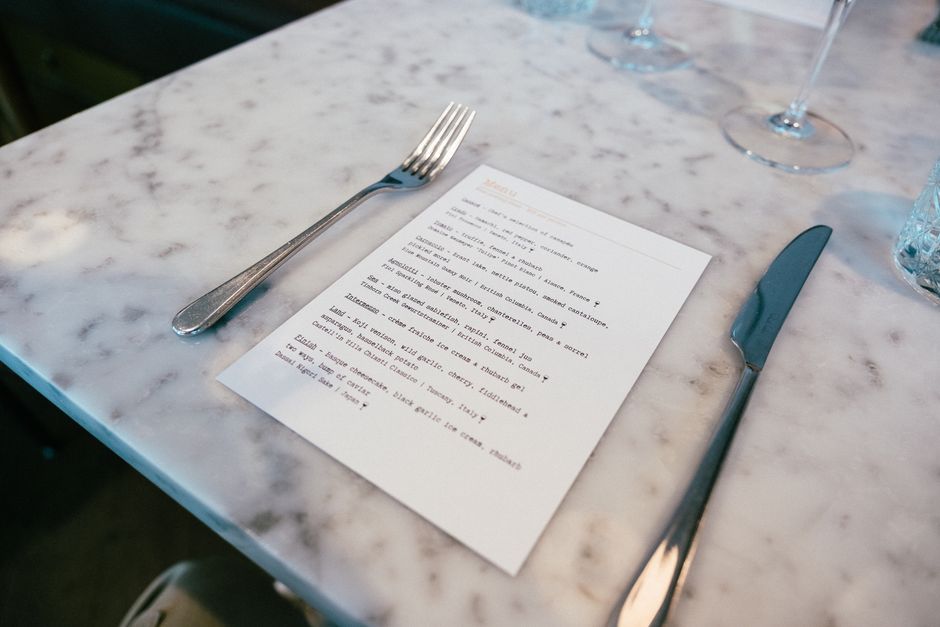
Fine dining often carries a reputation for exclusivity and high prices, but that perception does not tell the whole story. Many of the world’s most celebrated restaurants offer accessible entry points for those who know where to look. By understanding the mechanics of restaurant pricing and the strategies that establishments use to fill seats during slower periods, diners can enjoy exceptional cuisine without exceeding their budget.
The key is not about compromising on quality or settling for less; it is about timing, awareness, and a willingness to explore options beyond the traditional dinner rush. Whether it’s a three-course lunch or a seat at the bar during happy hour, there are numerous ways to experience the craftsmanship of a top kitchen without the full price tag. This article outlines practical approaches that can turn a shoestring budget into a passport to gourmet experiences.
Understanding the Economics of Fine Dining
To appreciate how fine dining can be affordable, it helps to understand the cost structure behind a restaurant’s menu. Fixed costs—rent, labor, equipment, and ingredients—remain constant regardless of the time of day. However, the revenue per table fluctuates significantly based on when guests are seated. Evenings, especially weekends, are peak hours when restaurants can charge full à la carte prices. In contrast, lunchtime and early evening slots often see lower demand, prompting establishments to introduce special menus or discounted offerings to attract patrons.
These promotions are not merely charitable gestures; they are strategic decisions to optimize table turnover and utilize kitchen capacity that would otherwise be idle. For the diner, this translates into an opportunity to taste the same ingredients and techniques that define the dinner menu, but at a fraction of the cost. Lunch specials, for instance, often feature simpler compositions but still showcase the restaurant’s signature style. Similarly, early bird menus or weekday set menus are designed to be both fiscally attractive to the guest and operationally efficient for the restaurant.
By recognizing these pricing patterns, one can plan dining experiences that align with both culinary aspirations and financial constraints. The goal is not to find a loophole but to engage with the restaurant’s own marketing initiatives in a way that benefits both parties.
Lunch: The Gourmet Bargain
Lunchtime is often the most reliable period for budget-conscious epicureans. Many upscale restaurants offer prix-fixe lunch menus that include two or three courses at a price significantly lower than their dinner equivalents. These menus are typically served during specific hours, usually from noon to 2:30 p.m. or 3 p.m., and may exclude certain high-cost ingredients or premium cuts. However, the core experience—the ambiance, the service, and the culinary skill—remains intact.
For example, a Michelin-starred restaurant in a metropolitan area may offer a three-course lunch for a fraction of its tasting menu cost. The dishes might be scaled down, but they are often crafted from the same high-quality produce and demonstrate the same level of technique. This makes lunch an ideal time to sample the cuisine of a renowned chef without the dinner surcharge.
When seeking lunch specials, it is advisable to check the restaurant’s website or call ahead, as not all establishments advertise their lunch menus prominently. Additionally, some restaurants extend their lunch service on weekends, though these are often pricier than weekday offerings. By incorporating lunchtime visits into one’s dining routine, one can accumulate a portfolio of memorable meals that rival any dinner experience.
Set Menus and Tasting Menus
Set menus, also known as tasting menus, offer a curated journey through a chef’s repertoire. While these are sometimes the most expensive items on a menu, many restaurants offer abbreviated versions during off-peak hours or on specific days. For instance, a restaurant might offer a five-course tasting menu on Tuesday evenings at a reduced price compared to the full eight-course experience on Saturday night. These menus are often designed to showcase seasonal ingredients and highlight the kitchen’s creativity.
Another variation is the chef’s selection, which allows the kitchen to present a series of small plates that may be more affordable than ordering individually. This can be an excellent way to taste a variety of dishes without committing to a single expensive main course. In some cases, set menus are paired with wine suggestions, but guests can decline the pairing to keep costs lower.
It is important to note that set menus are not always disclosed in advance. Therefore, one might need to inquire at the time of booking or upon arrival. Some restaurants publish their tasting menus online, while others keep them as an element of surprise. In any case, asking questions is always acceptable and often reveals options that are not widely advertised.
Happy Hours at High-End Establishments
Happy hours are a staple of casual dining, but they also exist in the realm of fine dining, albeit with a more sophisticated twist. Many upscale restaurants and hotel bars feature happy hour specials on drinks and appetizers during weekday late afternoons or evenings. These offerings are not limited to cheap beers and fried snacks; they often include gourmet small plates, craft cocktails, and even selections from the raw bar at reduced prices.
For instance, a seafood restaurant might offer discounted oysters or a Japanese establishment might present a special sushi roll during happy hour. The atmosphere is typically the same as any other time, and the quality of the food and drink remains high. The key is to check the times, as happy hour usually lasts only a few hours and may be limited to the bar area. Seating might be on a first-come, first-served basis, which can add an element of spontaneity.
Utilizing happy hours is a clever way to sample a restaurant’s culinary style without committing to a full meal. It also allows one to socialize in an upscale setting while keeping expenses in check. For those new to a city or looking for a light dinner, happy hour can be a delightful prelude to an evening, or even a meal in itself if the portions are sufficient.
Memberships, Loyalty Programs, and Newsletters
Establishments often reward frequent patrons with exclusive offers, but one does not need to be a regular to benefit. Signing up for a restaurant’s newsletter or joining its loyalty program can provide access to exclusive promotions, early-bird specials, or even free appetizers on special occasions. Some restaurants partner with platforms that offer reservations at discounted rates, though these are less common.
Additionally, many cities have dining guides that compile information about prix-fixe weeks, restaurant week promotions, and other temporary discounts. These events are widespread and offer multi-course dining at fixed prices across a range of high-end restaurants. Participating in such events is a savvy way to explore new venues and sample a variety of cuisines within a limited budget.
It is wise to approach these opportunities with a strategic mindset. Rather than seeking out discounts randomly, one might plan a month ahead and reserve a table at a restaurant that has been on one’s list. By aligning one’s schedule with these offers, the experience becomes both economical and rewarding.
The Art of Making Reservations
Making a reservation is more than just booking a table; it is an opportunity to communicate one’s preferences and inquire about available deals. When calling, one can ask if there are any current specials, such as a chef’s table discount or an early dinner menu. The staff is usually happy to inform guests about promotions, especially if they are not busy.
One can also request a table with a specific view or a quiet corner, which does not affect the price but enhances the experience. Furthermore, being flexible with dining times—such as choosing an early slot—might open up options that are not available at peak hours. For example, some restaurants offer a reduced-price “pre-theater” menu for guests who dine before a certain hour.
In summary, the world of fine dining is not exclusively reserved for those with deep pockets. With careful planning and a bit of resourcefulness, one can enjoy the artistry of gourmet cuisine without compromising financial stability. The strategies outlined above—focusing on lunch specials, set menus, happy hours, and memberships—are all practical and proven methods to experience high-end dining on a budget. By incorporating these practices into one’s lifestyle, one can cultivate a rich appreciation for fine food while maintaining a sensible budget.