Top 10 Michelin-Starred Restaurants in Paris for 2025
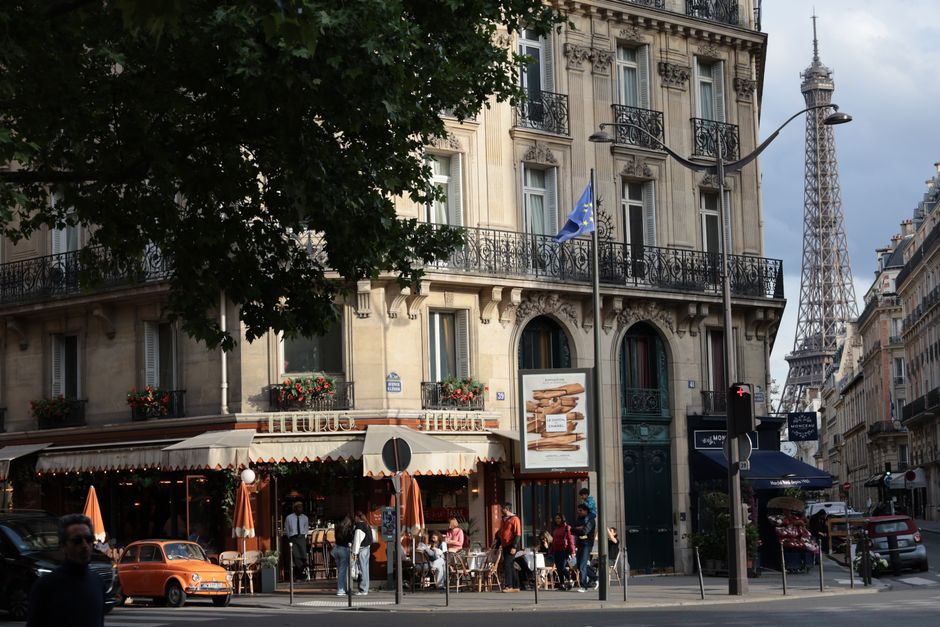
Paris has long been a global reference point for culinary excellence, and its Michelin-starred restaurants continue to define the pinnacle of fine dining. Each year, the selection evolves, reflecting both innovation and tradition. For those planning a visit in 2025, understanding the landscape of these establishments can enhance the experience. This guide provides an overview of ten notable restaurants that have earned Michelin stars, focusing on their signature dishes, tasting menus, and the elegance that characterizes their dining rooms.
The Michelin Guide remains a significant benchmark in the gastronomic world, and its stars are awarded based on a set of criteria that include the quality of ingredients, the mastery of techniques, the harmony of flavors, and the personality of the cuisine. While the guide is not without its debates, it offers a useful framework for exploring exceptional dining. The restaurants listed here represent a mix of classic institutions and contemporary innovators, each contributing to Paris’s rich culinary tapestry.
It is important to note that the Michelin landscape is dynamic, with stars being awarded, lost, and upgraded annually. The following selection is based on the most recent available information and industry reputation. Travelers should consult current guides and official websites for the latest status. This article aims to inform, not to rank, and it encourages a personal exploration of these culinary landmarks.
The Legacy of French Haute Cuisine
French haute cuisine has a storied history, and its influence is evident in many of Paris’s top restaurants. Establishments like Guy Savoy and Alain Ducasse au Plaza Athénée have become synonymous with this legacy. Guy Savoy, located near the Seine, offers a tasting menu that showcases the depth of French technique. Dishes such as the artichoke and black truffle soup are emblematic of the chef’s ability to elevate simple ingredients into extraordinary creations. Similarly, Alain Ducasse’s restaurant at the Plaza Athénée focuses on a natural and ethically sourced approach, with menus that highlight the purity of seasonal produce. The dining experience is not just about the food but also the service and ambiance that have been honed over decades.
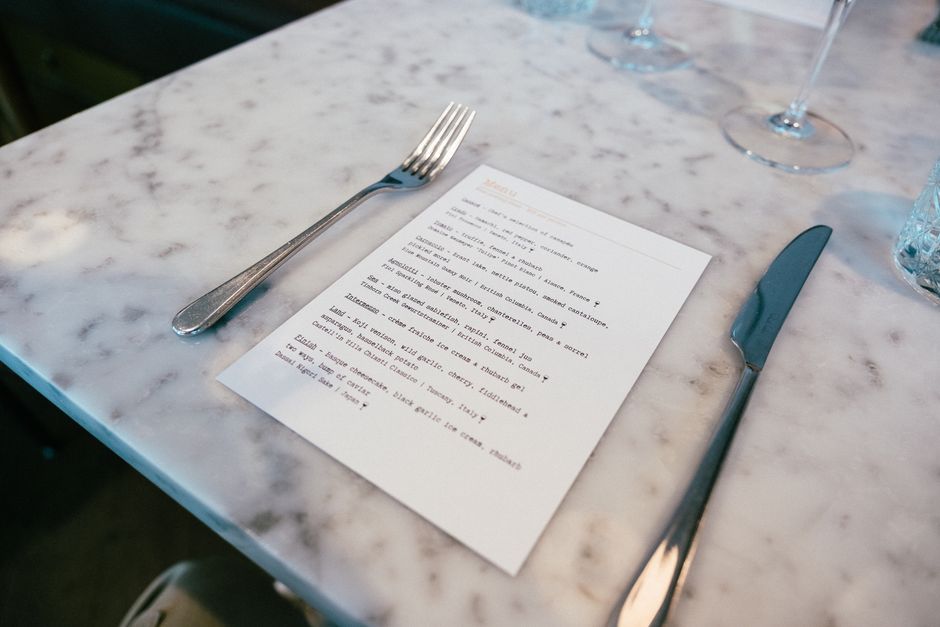
These establishments often feature tasting menus that can span several hours, allowing diners to fully appreciate the progression of flavors. The use of luxurious ingredients like truffles, caviar, and foie gras is common, but the true skill lies in the balance and harmony achieved. For those new to this level of dining, it is advisable to approach with an open mind and a willingness to embrace the chef’s narrative. The pacing of the meal, the wine pairings, and the meticulous attention to detail all contribute to a holistic experience that goes beyond mere sustenance.
While these restaurants are often associated with special occasions, they also serve as culinary laboratories where chefs experiment and refine their craft. The environment tends to be formal but welcoming, with staff who are knowledgeable and attentive. Reservations are essential, often requiring months in advance, and the dress code is typically smart elegance. Understanding the codes of these establishments can enhance one’s comfort and enjoyment.
The Rise of Modern Gastronomy
In recent years, a new generation of chefs has redefined what a Michelin-starred restaurant can be. Septime and Le Chateaubriand are notable examples, offering a more relaxed yet equally refined approach. Septime, located in the 11th arrondissement, has gained international acclaim for its inventive tasting menu that changes with the seasons. The focus is on organic and natural wines, and the dishes are characterized by their clarity and balance. The restaurant’s minimalist décor and open kitchen create an intimate atmosphere that draws a diverse clientele. Le Chateaubriand, a neo-bistro, challenged conventions by offering a set menu at a more accessible price point, but with the creativity and precision of a fine dining establishment. Its influence can be seen in numerous other restaurants that have adopted a similar model, making high-quality cuisine more approachable.
These modern establishments often emphasize a lighter, vegetable-forward approach, while still incorporating techniques learned from classic training. The tasting menus are often described as a journey, with each course building on the last. The wine pairings are curated to complement the dishes, often featuring lesser-known producers and regions. This shift towards modern gastronomy reflects a broader trend in the culinary world, where the focus is on sustainability, locality, and personal expression. For diners, this means an opportunity to experience innovative cuisine in a more casual setting, without sacrificing quality.
It is worth noting that the line between traditional and modern is not always distinct. Many chefs blend the two, creating a hybrid style that respects the past while embracing the future. Restaurants like Pierre Gagnaire exemplify this fusion, combining technical prowess with playful creativity. Gagnaire’s menus are famously eclectic, featuring multiple small courses that surprise and delight. The tasting experience at such restaurants is often described as a dialogue between chef and diner, where each dish is a statement or a question. Engaging with this dialogue requires patience and curiosity, but it can be deeply rewarding.
Culinary Diversity in the City of Light
Paris’s dining scene is not monolithic; it encompasses a wide range of cuisines and styles. Among the top Michelin-starred restaurants, one finds Japanese, Italian, and other international influences, all executed with French finesse. L’Astrance, for example, is known for its fusion of French and Asian flavors, with a menu that changes frequently based on market availability. The chef, Pascal Barbot, is celebrated for his delicate and intricate dishes that often combine unexpected ingredients. Similarly, Kei, which earned three stars in 2020, offers a French-Japanese cuisine that showcases precision and subtlety. The tasting menu at Kei is a series of refined courses that highlight the best of both culinary traditions.
This diversity is a testament to the openness of the French culinary scene, which has historically absorbed and reinterpreted foreign influences. It also reflects the international clientele that Paris attracts, and the desire of chefs to cater to a wide range of palates. For diners, this variety means that there is a Michelin-starred restaurant to suit almost any taste, from adventurous to classic. It is not uncommon for a single trip to Paris to include visits to both a traditional French establishment and a modern fusion spot, each offering a distinct perspective on what fine dining can be.
The elegance of these restaurants often extends beyond the food to the design of the space itself. Many are located in historic buildings, with interiors that have been meticulously preserved or modernized. The service is another component that elevates the experience, with staff trained to anticipate needs and provide insightful explanations of each dish. The overall effect is a seamless integration of cuisine, ambiance, and service, resulting in an experience that is greater than the sum of its parts.
Notable Mentions and Emerging Stars
Beyond the well-known names, there are several restaurants that have consistently earned one or two stars and are worth considering for those seeking a memorable meal. Le Pré Catelan, located in the Bois de Boulogne, offers a luxurious escape from the city center, with a menu that emphasizes seasonal and regional products. L’Ambroisie, situated in the Place des Vosges, is renowned for its classic French cuisine and a dining room that exudes old-world charm. Both of these restaurants have maintained high standards over the years, earning them a loyal following among connoisseurs.
Emerging talents are also making their mark. Chefs like Julien Royer, who heads the restaurant Jòia, are gaining recognition for their creative yet grounded cooking. While these establishments may not yet have three stars, they offer a glimpse into the future of French gastronomy. The Michelin Guide is known for its ability to identify and highlight such talent, and their stars serve as a signal of quality. For diners, these restaurants often provide a more intimate and experimental experience, with tasting menus that push boundaries while remaining accessible.
It is important to remember that a Michelin star is not the only measure of a great restaurant. The guide’s inspectors evaluate a wide range of factors, and their decisions are subject to debate. For those who wish to make an informed choice, it is advisable to research recent reviews, consider personal preferences, and perhaps peruse the menus online. The journey of discovering a restaurant that resonates with one’s own tastes is part of the pleasure of dining in Paris.
Practical Considerations for Food Enthusiasts
Planning a visit to a Michelin-starred restaurant in Paris requires consideration of several practical details. Reservations are, of course, essential, and many restaurants open their booking lines several months in advance. For highly sought-after spots like Alain Ducasse au Plaza Athénée or Guy Savoy, it is not uncommon to book up quickly, so early planning is advised. Cancellation policies vary, and some restaurants require a credit card guarantee or a prepayment for tasting menus.
Dress codes, while not always strictly enforced, tend towards smart attire. Men are often expected to wear a jacket or a suit, and a tie may be recommended at certain establishments. The ambiance is generally formal, but it is gradually becoming more relaxed. It is always safe to err on the side of elegance.
Dining at a starred restaurant is a multi-hour affair, often lasting three to four hours, and the cost can be substantial. Tasting menus typically range from €100 to €300 or more per person, excluding wine pairing. Wine pairings can add an additional €80 to €200. While this is a significant investment, it is a reflection of the quality and effort involved. For those on a budget, lunch menus often offer a more accessible option, with reduced prices for similar quality. It is also worth checking for special offers or set menus on weekdays.
“Dining at a Michelin-starred restaurant is not merely a meal; it is an opportunity to witness the artistry and dedication of chefs who strive to create moments of culinary perfection.”
Additionally, it is wise to inform the restaurant of any dietary restrictions or allergies in advance. Many chefs are adaptable and can modify dishes or provide alternative courses. The staff is usually eager to accommodate, but it is best to communicate early to ensure a seamless experience. In terms of language, while many staff members speak English, a basic knowledge of French can be appreciated, and the language barrier is rarely an issue in these establishments.
Conclusion: The Ever-Evolving Scene
Paris’s Michelin-starred restaurants for 2025 present a rich and varied landscape, encompassing both timeless classics and bold innovations. The ten restaurants highlighted in this guide are a starting point for exploration, but they are by no means the only ones worth visiting. The city is full of culinary surprises, and the guide’s stars are not the sole indicator of excellence. As the culinary scene evolves, so too does the definition of fine dining. The key is to approach each restaurant with an open mind, ready to appreciate the creativity and skill that are the hallmarks of great gastronomy.
As you plan your journey, it may be helpful to consider not only the stars but also the philosophy and atmosphere of each establishment. Some may prefer the formality of a classic French institution, while others might favor the laid-back vibe of a neo-bistro. Ultimately, the best restaurant is one that aligns with your personal tastes and expectations. The stories that emerge from these dining experiences often become cherished memories, long after the dishes have been savored.