Autumn Delights: Seasonal Dishes You Must Try
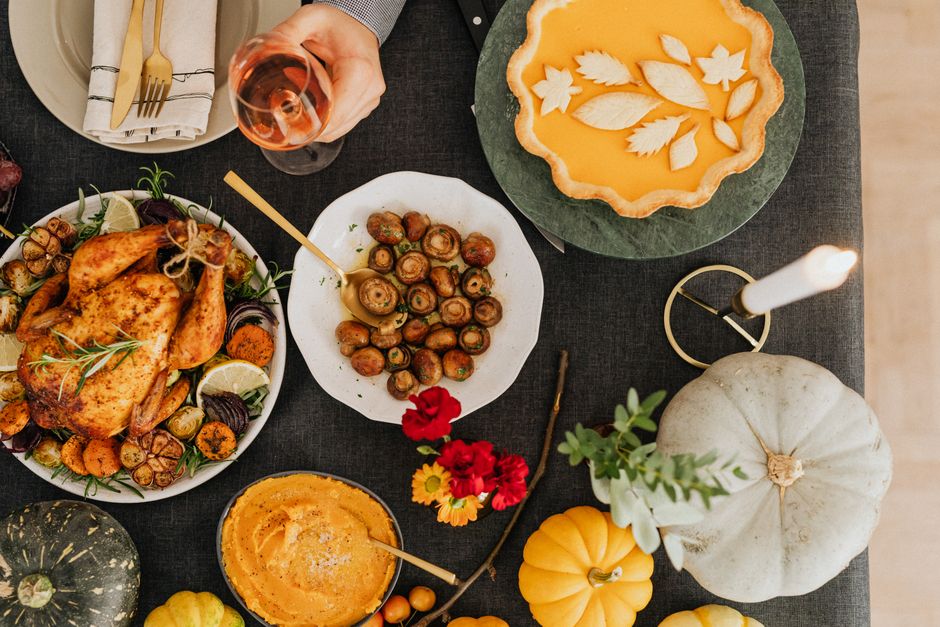
As the air turns crisp and leaves adopt their golden hues, the culinary world shifts its focus to the hearty and aromatic ingredients that define the season. Autumn’s harvest brings a rich palette of flavors, from earthy mushrooms and sweet root vegetables to the unmistakable warmth of pumpkin and spice. For those eager to explore this seasonal bounty, restaurants across the city are crafting menus that pay homage to tradition while embracing modern techniques. This article offers a comprehensive look at some of the most enticing seasonal dishes, the methods behind their creation, and considerations for those seeking to experience them.
Seasonal eating is not merely a trend but a practice rooted in the natural cycle of produce availability. By aligning menus with the harvest, chefs can ensure optimal freshness and flavor, while also supporting local agriculture. The dishes highlighted here, such as pumpkin risotto and truffle pasta, exemplify how chefs transform simple ingredients into memorable experiences. Throughout this guide, we will examine the components, preparation techniques, and the culinary philosophy that make these autumn offerings stand out.
The Comfort of Pumpkin: Beyond the Latte
Pumpkin, a quintessential autumn ingredient, often conjures images of spiced beverages, but its culinary applications extend far beyond that. In many kitchens, pumpkin is celebrated for its natural sweetness and velvety texture, which lends itself well to both savory and sweet preparations. One standout dish is pumpkin risotto, where the grain is slowly cooked with broth, and the pumpkin is incorporated to create a creamy, cohesive consistency. The process involves toasting the rice, then gradually adding liquid while stirring to release starch, resulting in a rich and comforting base.
Chefs may enhance the risotto with complementary elements such as sage, nutmeg, or Parmesan cheese, adding layers of complexity. The sweetness of the pumpkin balances the savory notes, while the herbs introduce a fresh, earthy dimension. For those with dietary preferences, variations using vegetable broth and dairy-free alternatives are also available, demonstrating the dish’s adaptability. The key lies in the careful balance of flavors and the patience required for proper risotto preparation, ensuring a satisfying and wholesome meal.
The essence of autumn cuisine is not found in extravagant ingredients but in the respectful treatment of seasonal produce, allowing its natural character to shine.
Selecting and Preparing Pumpkin
When choosing pumpkin for culinary use, it is important to select varieties that are dense and low in water content, such as sugar pumpkins or butternut squash, which are often used interchangeably. The preparation involves peeling, seeding, and cutting the flesh into uniform pieces that can be roasted or pureed. Roasting enhances the natural sugars and concentrates the flavor, a step that many chefs consider essential for maximizing the ingredient’s potential.
Incorporating pumpkin into risotto typically involves either mixing in a puree or folding in roasted cubes at the end of cooking. The method chosen affects the final texture, with puree yielding a smoother dish and cubes providing a more rustic bite. Regardless of technique, the integration should be timed to ensure the pumpkin melds with the rice without becoming mushy. This attention to detail exemplifies the craftsmanship involved in seasonal cooking.
Earthy Elegance: Truffle-Infused Pasta
Truffles, another hallmark of autumn dining, bring an unmistakable aroma and depth to pasta dishes. The truffle’s perfume is intense, and when used judiciously, it elevates simple preparations to a gourmet level. Truffle pasta often features a sauce made with cream, butter, or a light broth, allowing the truffle’s flavor to remain the focal point. The type of truffle—black or white—varies by season and region, with each offering distinct characteristics that chefs consider when composing a dish.
The preparation of truffle pasta requires a gentle hand. Fresh truffles are typically shaved thinly over the finished dish, preserving their potent essence, while truffle-infused oils or pastes are incorporated into the sauce for a more subtle but pervasive flavor. The choice of pasta shape also matters; longer, ribbon-like noodles such as tagliatelle or fettuccine are preferred as they allow the sauce to cling evenly. The result is a harmonious blend of textures and tastes, reflecting the luxurious nature of the ingredient.
The Role of Truffles in Culinary Practice
Beyond pasta, truffles can be used in various preparations, from risottos and polentas to egg dishes and even desserts in innovative contexts. Their usage, however, demands precision and restraint, as overwhelming the dish with too much truffle can be counterproductive. Chefs often study the provenance and quality of truffles to ensure they are using a superior product. The harvesting season also plays a crucial role, with fresh truffles reserved for special occasions due to their rarity and cost.
For restaurants, incorporating truffles into a seasonal menu requires careful planning and cost management. Frequently, truffle-based dishes are offered as limited-time specials, allowing diners to savor the season’s best while enabling the kitchen to manage supply and pricing. This practice underscores the dynamic nature of seasonal eating, where availability and economics converge to shape the dining experience.
Seasonal Approaches in Restaurant Menus
Restaurants that emphasize seasonal dishes often adopt a farm-to-table philosophy, sourcing ingredients directly from local farms and producers. This approach not only ensures freshness but also fosters a connection between the diner and the origin of their food. Autumn menus may feature rotating selections based on what is harvested, from root vegetables like parsnips and carrots to orchard fruits such as apples and pears. This cycle of change keeps menus exciting and allows chefs to showcase their creativity within the constraints of the season.
For diners, the seasonality of a menu provides an opportunity to experience ingredients at their peak. However, it also requires an openness to variation, as certain dishes may change from week to week. Many restaurants communicate these changes through their websites or social media, offering a glimpse into the kitchen’s current inspirations. Customers can also ask servers for recommendations, as the staff is often well-versed in the day’s preparations and the stories behind the ingredients.
An autumn menu is a narrative of the harvest, telling the story of the land and the hands that cultivate it, inviting diners to be part of that ongoing tale.
Factors Influencing Seasonal Dish Availability
Several factors influence the availability and preparation of seasonal dishes beyond the produce itself. Climate conditions, transportation logistics, and supplier relationships all play a role in what a restaurant can offer. For instance, a late frost or an extended rainy period can affect crop yields, prompting chefs to adjust their menus accordingly. This adaptability is a testament to the skill and flexibility required in the culinary profession.
Moreover, the decision to feature certain dishes is often based on customer demand and cultural familiarity. While pumpkin and truffle are widely recognized autumn staples, other regional specialties may gain prominence depending on local traditions. For example, in the United States, butternut squash and sweet potatoes are frequently incorporated into fall dishes, adding variety to the seasonal repertoire. Understanding these nuances allows diners to appreciate the thought and effort behind each meal.
Making the Most of Autumn Dining
To fully enjoy the seasonal offerings, diners can approach autumn dining with a sense of curiosity and openness. Exploring new ingredients and preparations can lead to delightful discoveries, expanding one’s palate while supporting local culinary talent. Whether opting for a classic pumpkin risotto or a truffle-infused creation, the experience is enriched by understanding the context in which these dishes are crafted.
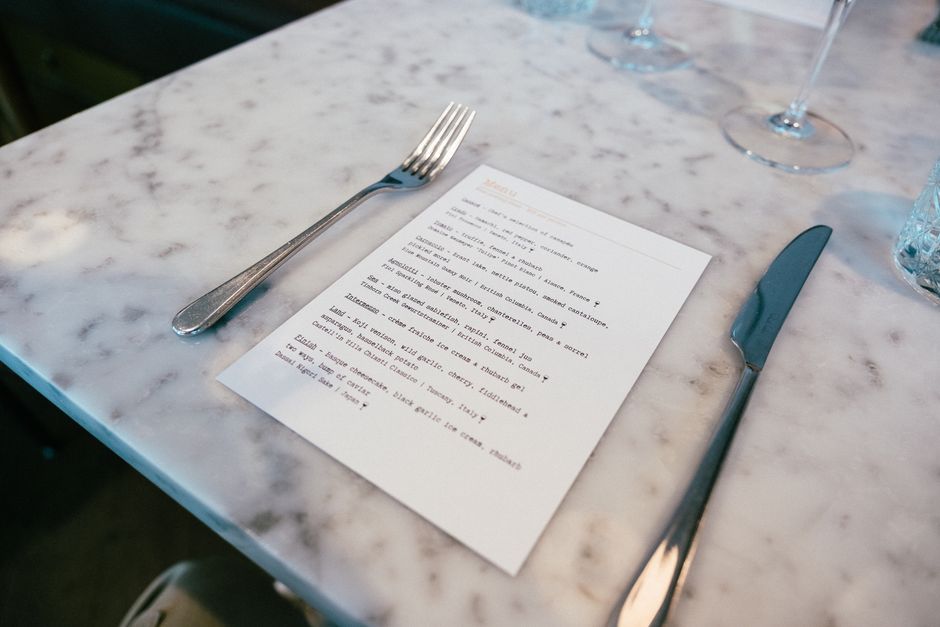
Timing also matters. Autumn is a relatively short window, and certain dishes may only be available for a few weeks. It is advisable to check with restaurants about their seasonal menus, as well as any special events or prix-fixe options that highlight the best of the season. Some establishments offer multi-course tastings, allowing diners to sample a range of autumnal flavors in a single sitting, an ideal way to savor the season’s diversity.
In conclusion, the autumn season presents a unique opportunity to explore the depth and richness of culinary artistry. From the comforting warmth of pumpkin risotto to the refined elegance of truffle pasta, these dishes reflect a commitment to quality and seasonality. By understanding the techniques, sourcing, and philosophy behind these offerings, diners can enhance their appreciation and make informed choices. As the leaves continue to fall, the dining table becomes a canvas for the season’s finest ingredients, inviting all to partake in the celebration of autumn’s bounty.