Hidden Gems: Uncovering Family-Run Trattorias in Rome
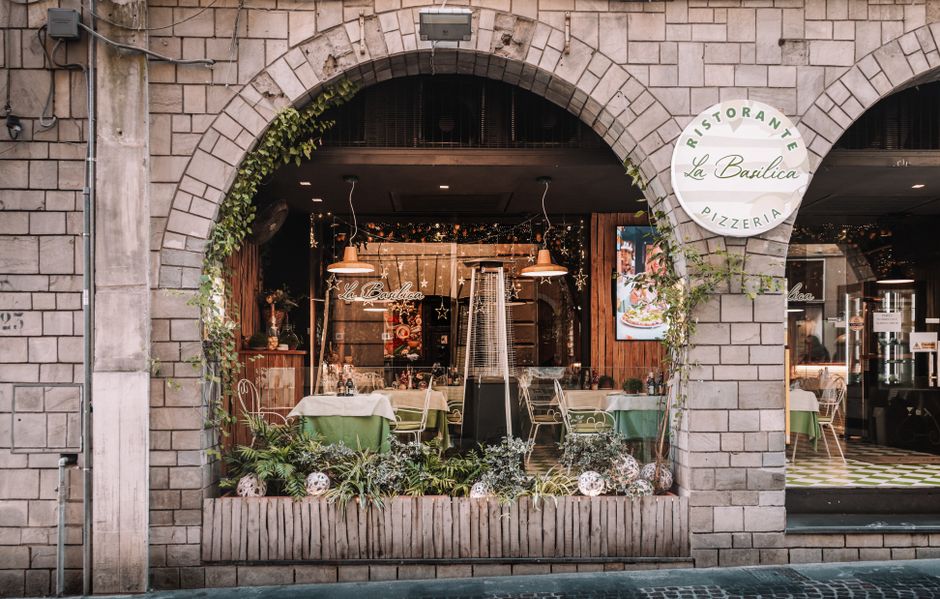
Rome is a city that wears its history on every corner, and its culinary landscape is no exception. Beyond the well-trodden piazzas and bustling avenues lies a quieter network of family-run trattorias, where recipes are passed down through generations and the dining experience feels like a warm welcome into a private home. These establishments are the heartbeats of their neighborhoods, offering more than just a meal—they provide a glimpse into the authentic rhythms of Roman life. For those willing to explore beyond the tourist maps, these hidden gems promise a genuine taste of Roman cuisine, prepared with time-honored techniques and served with personal attention that large-scale restaurants often cannot replicate.
The allure of these trattorias lies not in their grandeur, but in their authenticity. They are often tucked away on side streets, marked by simple signs and tables spilling onto the sidewalk. Inside, the atmosphere is convivial, with the aroma of simmering sauces and freshly baked bread filling the air. The menus are typically handwritten or displayed on a chalkboard, featuring dishes that reflect the seasons and the local market. This is where you will find cacio e pepe made with the perfect twirl of pasta, and saltimbocca alla romana that melts in your mouth. Each establishment has its own character, its own story, and its own loyal following of locals who have been coming for years. To uncover these treasures is to engage with the city on a deeper, more personal level.
This article will guide you through the process of identifying and enjoying these family-run trattorias, from recognizing their distinguishing features to understanding the cultural context that shapes them. We will explore the importance of these establishments in preserving culinary traditions and the practical considerations to keep in mind when seeking them out. Whether you are a seasoned traveler or a first-time visitor, this exploration aims to provide a nuanced perspective that enriches your dining experiences in Rome.
Characteristics of Family-Run Trattorias
Family-run trattorias have a distinctive character that sets them apart from more commercial dining establishments. One of the most telling signs is the presence of multiple generations working together—a grandmother shaping gnocchi, a father tending the grill, and a son or daughter managing the front of house. This intergenerational involvement often translates into a level of care and consistency that is palpable in every dish. The menus are usually concise, changing with the seasons and what is available at the local markets. This ensures that ingredients are fresh and preparations are traditional, honoring recipes that have been refined over decades. You will rarely find elaborate fusion dishes or international staples; instead, the focus remains on classic Roman preparations, such as amatriciana, carbonara, and trippa alla romana, each with subtle variations that reflect the family’s own heritage.
Another hallmark is the hospitality. In these trattorias, the staff often treat guests like extended family, offering recommendations with genuine enthusiasm and sometimes even sharing the story behind a particular dish. The atmosphere is unpretentious, with simple decor and perhaps a few framed photographs or local artwork on the walls. The clientele is a mix of regulars who are greeted by name and newcomers who are welcomed just as warmly. This personal touch is what transforms a meal into a memorable experience, fostering a sense of connection that goes beyond the transactional. For visitors, this can be an opportunity to observe and participate in a dining tradition that values community and generosity.
Navigating Rome’s Dining Districts
To find these hidden gems, it is helpful to understand Rome’s diverse neighborhoods, each with its own culinary character. For instance, Trastevere, with its narrow cobblestone streets and ivy-covered buildings, is known for a bohemian vibe and a high concentration of trattorias. However, many are tourist-oriented, so it takes a discerning eye to find the authentic spots. Areas like Monti, near the Colosseum, offer a mix of modern and traditional, with family-run establishments that have adapted to contemporary tastes while maintaining core traditions. Testaccio, historically a working-class district, is a food lover’s haven, where you can find some of the most authentic Roman cuisine, including the famous pasta dishes and offal preparations. San Lorenzo, near the Sapienza University, is a vibrant neighborhood with a youthful energy, where some trattorias combine tradition with a creative twist, while others remain staunchly traditional.
Beyond these well-known areas, there are many lesser-known districts worth exploring. The Prati area, for example, is quiet and residential, yet it boasts a number of family-run trattorias that cater to a local crowd. Similarly, the Pigneto district, known for its alternative arts scene, has seen a rise in unique dining spots, some of which are family-run. The key is to observe where locals go. A trattoria that is half-empty at midday may not be the best choice, whereas one with a queue of office workers and residents often signals quality and value. Additionally, it can be beneficial to wander away from the main thoroughfares and explore the side streets; the most charming eateries are often hidden there.
Reading the Menu and Seasonal Influences
Part of the charm of family-run trattorias is their adherence to seasonality, which is a core principle of Roman cuisine. Menus change to reflect what is fresh, so you may find dishes featuring artichokes (carciofi) in the spring, porcini mushrooms in the autumn, and wild fennel or broccoli (broccoletti) in the winter. This practice ensures that the flavors are at their peak and that the ingredients are sourced locally, often from producers the family knows personally. You can also observe the daily specials, which are frequently dictated by the morning’s market finds. As you read the menu, pay attention to the characteristics of each dish: the use of pecorino romano, the preference for guanciale over pancetta, and the simplicity of seasoning with salt, pepper, and olive oil. These are signs of a kitchen that respects tradition.
It is also important to understand the structure of a traditional Roman meal, which typically includes antipasti (starters), primi (first courses, usually pasta or soup), secondi (second courses, meat or fish), and contorni (side dishes). A family-run trattoria will often guide you through this progression, and you might be tempted to try a bit of everything. However, portions are generous, and it is acceptable to skip courses or share. Furthermore, the concept of “menu turistico” (tourist menu) is generally avoided in these establishments, as they prefer a la carte ordering. If you are uncertain about a dish, do not hesitate to ask for an explanation; the staff are usually happy to provide details and suggest wine pairings from their carefully selected cellar.
Etiquette and Immersion: Dining Like a Local
Dining at a family-run trattoria is more than just eating; it is an opportunity to immerse yourself in local customs. In Italy, meals are leisurely and social, so it is common to spend two hours or more at the table, engaging in conversation and enjoying multiple courses. The service before and after the meal is a ritual for many Italians, so you might notice a small cup of coffee being savored slowly. When it comes to ordering, there are a few etiquettes to keep in mind: it is customary to order a dish of pasta as a primo, and you may be asked if you want it as a main course, but it is perfectly acceptable to request a smaller portion. It is also polite to wait for everyone at the table to be served before you start eating. Tipping is not expected in the same way as in the United States, but it is appreciated for good service, and leaving a small amount (around 5-10%) is a nice gesture.
Furthermore, the way you interact with the staff can greatly enhance your experience. A friendly “buongiorno” and a genuine curiosity about the menu can go a long way. Many trattoria owners are proud of their heritage and will gladly share the stories behind traditional dishes, such as the origin of a particular pasta shape or the family’s secret recipe for a dessert. Engaging in this manner not only enriches your meal but also fosters a positive atmosphere that benefits everyone. Additionally, it is advisable to make a reservation for dinner, especially on weekends, as these establishments are often small and in high demand even among locals. This ensures you secure a table and allows the kitchen to prepare for your visit.
The Future of Family Trattorias
As Rome evolves, so does its culinary scene, and family-run trattorias face both challenges and opportunities. The pressures of tourism, rising rents, and changing consumer preferences can make it difficult for these small businesses to survive. However, there is also a growing appreciation for authenticity and tradition, which has led to a renewed interest in such establishments. Many trattorias are adapting by modernizing their approach while staying true to their roots—perhaps by offering a more refined dining experience, using organic ingredients, or engaging in social media to reach a wider audience. Some are even involving younger family members who bring new energy and ideas, ensuring the tradition endures.
From a sustainability perspective, these trattorias play a crucial role in preserving biodiversity and supporting local agriculture. By sourcing ingredients from nearby producers, they help maintain traditional farming practices and reduce the carbon footprint associated with food transport. Moreover, they are repositories of culinary knowledge, safeguarding recipes and techniques that might otherwise be lost. For travelers, supporting these establishments is a way to contribute to the local economy in a meaningful way, as the money spent goes directly to the family and community.
In conclusion, family-run trattorias are not just places to eat; they are cultural institutions that offer a window into the soul of Rome. By venturing off the tourist path and seeking out these hidden gems, you not only enjoy delicious, authentic cuisine but also engage with the city in a way that is respectful and rewarding. The experience is conditioned by your willingness to explore, to observe, and to connect with the people who keep these traditions alive. While no two trattorias are alike, the common thread is a dedication to quality, hospitality, and a deep love for their craft. As you plan your culinary journey through Rome, consider taking a step away from the well-known landmarks and letting your senses guide you to these family-run treasures. They may just become the most memorable part of your visit.